
Things That Should Be Banned for Over-16s

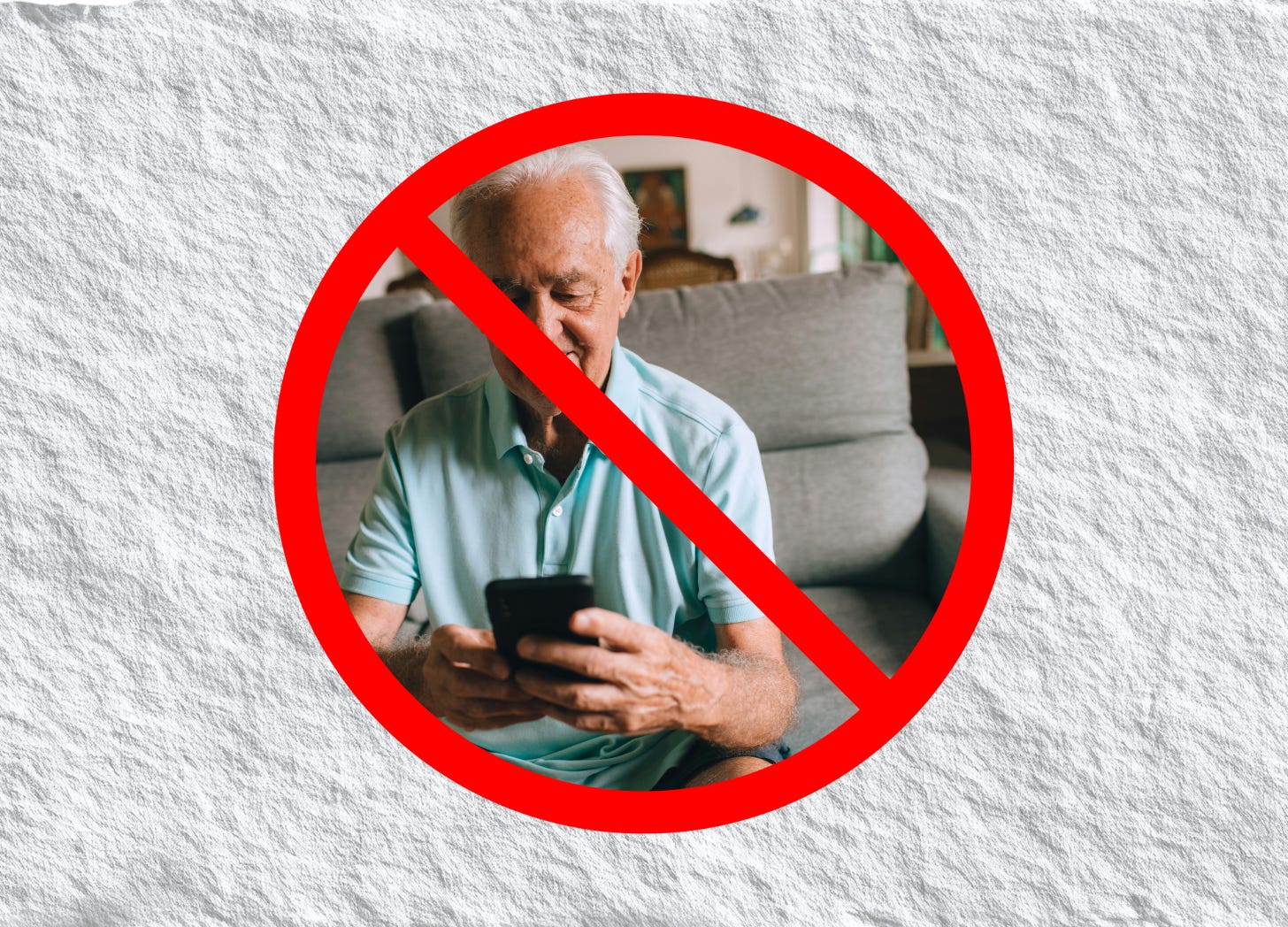
Here in the UK, news has broken that social media (or, at least, the websites that legislators believe constitute social media) will be banned for under-16s. The detail of this is a bit sketchy, but the plan is intended to be implemented by next spring. It’s a last roll of the dice for the Prime Minister, Sir Keir Stamer, who is extremely unlikely to be in office when this becomes law. But everyone needs a legacy: perhaps the Starmer era will be defined by starting to redress the terrible damage that technology has wrought on young minds.
The UK is, of course, not the first country to moot or execute such a plan. The Australians have led the way on this front, with mixed success. Only around a quarter of Australian teenagers reported that the ban had changed their relationship with social media, which is a figure that will depress the architects of the policy but should not be underestimated. A quarter of everyone is still a lot of people. But the UK’s decision to unilaterally push this ban through (having been rejected by MPs in the lower chamber) leaves a lot to be desired from a policy perspective. As someone who has been radicalised somewhat on this subject (I host a podcast called The Ned Ludd Radio Hour and am increasingly convinced that technology is the root of all modern evils) I am sympathetic to an interventionist approach. But much of this discourse misses where and why things went wrong. It is curative rather than preventative, and falsely identifies this as an issue, singularly, of youth.
Here, then, as a corrective, are six things I would ban for over-16s.
Starting social media companies
People over the age of 16 should not be allowed to start social media companies. Frankly, it is hard to sustain an argument that the current crisis with social media use is not a direct result of the existence of these companies. And thus is makes sense to ban over-16s from making them. Also, we have plenty; think of something else to squander VC money on.
Advertising their businesses on social media
The reason that social media has become so addictive is because that suits the interests of advertisers. The algorithm – all hail the mythical algorithm! – is a product designed to keep users on the platform, scrolling and clicking until they find a product to buy. That is the raison d’être of social media. It is not about connections, it is about sales. Almost all the most pernicious aspects of the technology have been exacerbated by the interests of advertisers. Given that most businesses are owned by people over-16, we should ban people over-16 from advertising on social media. They should be forced to sell their overpriced tat in full-page magazine ads and on radio promos with a Les Dennis voiceover. This could also save traditional media, though runs the risk that more cabbies will become addicted to LBC.
Caving to the lobbyists who have turned Big Tech founders into oligarchs
It’s clear to me that over-16s should be banned from caving to the lobbyists who have turned Big Tech founders into oligarchs. The fact that men as awful as Elon Musk, Jeffrey Bezos and Mark Zuckerberg wield more political power than any other private citizens on earth is a huge failing for the over-16 community. We have allowed Big Tech companies to profit from a low-tax, low-regulation environment in exchange for… what exactly? Addicting our children to social media? Allowing us to snoop on our exes? Exposing us to the racist rantings of Russian bot farms? We have acted like social media is a public utility rather than a public nuisance, all out of a craven, avaricious fear of the oligarchy we, ourselves, have created. So, over-16s should be banned facilitating the conditions of society’s collapse.
YouTube comments
I don’t think old people should be allowed to leave comments on YouTube. They are never good. They are either redundant, perverted or deranged. Ban it.
Acting like AI is a panacea, rather than tomorrow’s problem
Banning social media while bending over backwards to facilitate AI companies is an insanely dissonant position. What do they imagine the eventual use case for consumer-facing AI is? The answer, of course, is to sell product to civilians. Soon enough, I will be able to ask some agentic AI companion to book my holiday and it will go off and source the flights, hotels, tour guides and sort it all for me. Easy for me, great for the businesses paying to push their position with whatever AI company is providing that service. And in this world, the most important thing is that AI becomes a crutch, something that users rely on. You shouldn’t make any decision without consulting AI – that is where we’re headed. It is a stepping stone to a more debilitating, all-consuming addiction than was ever executed via social media. So we should ban over-16s from pumping money into the AI industry and creating new, deeper problems down the line. (As a thought experiment, I wonder whether the Starmer government would concede, now, that it was a mistake to have imbued the Big Tech companies with so much funding back at the peak of their investment gold rush?)
Social media
Most importantly, I think we should ban social media for over-16s. I see no difference in how children and adults use social media; the only difference is their personal autonomy. In point of fact, some of the most egregious misuses of social media are performed by older people: they are more credulous of information on the internet, more susceptible to AI misinformation, less private and thus more prone to public proclamations. And, crucially, we, the over-16s, have fucked this up. We fucked this up for children and we fucked it up for ourselves. Venture capitalists and lawmakers and the media and inveterate users have conspired to create a societal dependency. If we think that’s a bad thing (and I do) then we should take uniform action. Why should I, a 33-year-old man, not be protected from my worst instincts, when a 15-year-old version of me would be? Too often we act as though the problems of our society – whether it’s the manosphere and toxic masculinity or screen addiction – are cauterised in adulthood. In reality, the worst misogynists are grown-ups; the most corrupted, degenerate internet users are adults. This stratified ban places social media into the category of dangerous activities (drinking alcohol, driving a car) where we decide that children are ill-equipped to deal with the risk. This is a miscategorisation: social media is like pollution, a dull, cloying smog that creates uniform risks and will linger for generations. Ban it for under-16s, sure, but don’t let over-16s get off scot-free. A full and proper ban would also serve to reinforce my five other suggested bans, thus saving the earth and creating our happy, dancing utopia.
Below the line, for paid subscribers only, I offer a short hypothesis of what I think will happen next in British politics (and which may already be wrong by the time you read it).
